RTD Sensor in Saudi – Precision Temperature Measurement
Accurate temperature measurement is vital for industrial processes in Saudi Arabia’s oil, gas, petrochemical, power, and water sectors. The RTD Sensor in Saudi provides highly reliable readings with long-term stability, ensuring safe and efficient operation in critical applications.
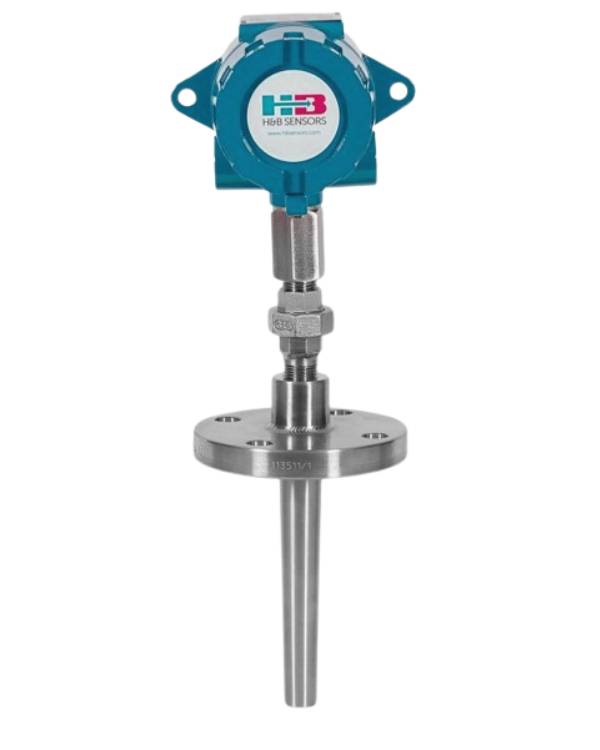
The RTD (Resistance Temperature Detector) sensor, designed to deliver precise temperature monitoring in harsh environments. Available through Nassguard, a trusted supplier of RTD sensors in Saudi, this product is widely used across Riyadh, Jeddah, Dammam, Jubail, and Al Khobar.
An RTD sensor, a temperature sensor that measures resistance changes in platinum, nickel, or copper as temperature varies. The most common type, Pt100, uses platinum and provides high accuracy over a wide temperature range.
Compared to thermocouples, RTDs offer better stability, repeatability, and precision, making them suitable for industries requiring dependable monitoring.
The RTD Sensor in Saudi, trusted for its durability, accuracy, and efficiency.
Key Benefits:
High Accuracy: Provides precise readings across a wide temperature range.
Long-Term Stability: Offers repeatable results for years of operation.
Versatile Applications: Suitable for industrial, petrochemical, and energy sectors.
Durable Construction: Withstands high pressure, vibration, and harsh environments.
Compatibility: Works with transmitters, controllers, and SCADA systems.
Cost-Effective: Reduces downtime and improves operational safety.
The RTD (Resistance Temperature Detector) sensor, used across multiple industries:
Oil & Gas (Dammam, Jubail): Monitors process temperatures in refineries and pipelines.
Petrochemical Plants (Al Khobar): Ensures accuracy in high-temperature and hazardous applications.
Power Generation (Riyadh): Used in boilers, turbines, and cooling systems.
Water & Wastewater (Jeddah): Provides reliable monitoring in treatment facilities.
Industrial Manufacturing: Ensures safe temperature control in heavy machinery and automation.
The RTD Sensor in Saudi complies with major international standards:
IEC 60751 – defines RTD accuracy and construction.
ISO 9001:2015 – quality management certification.
CE Certification – European conformity.
RoHS Compliance – safe and eco-friendly design.
ASTM E1137 – platinum RTD standards.
1. Where can I buy RTD sensors in Saudi Arabia?
You can buy the RTD Sensor in Saudi from Nassguard, available in Riyadh, Jeddah, Dammam, Jubail, and Al Khobar.
2. What is the most common RTD type?
The Pt100 platinum RTD is the most widely used due to its accuracy and stability.
3. How accurate is an RTD sensor?
It provides high precision with repeatability, often within ±0.1°C.
4. Can RTDs withstand harsh environments?
Yes, they are built with robust housings to handle pressure, vibration, and corrosive media.
5. Are RTD sensors better than thermocouples?
RTDs offer higher accuracy and stability, while thermocouples are better for extreme high temperatures.
6. Can RTDs be connected to transmitters?
Yes, RTDs are often paired with temperature transmitters for 4–20 mA output.
7. Which industries in Saudi benefit most from RTD sensors?
Industries like oil & gas, petrochemical, power generation, and water treatment.
The RTD Sensor in Saudi provides industries with precision, durability, and long-term stability. Designed for critical applications, the RTD (Resistance Temperature Detector) sensors are certified to international standards, making them ideal for Saudi Arabia’s demanding oil, gas, and industrial sectors.
Available through Nassguard, a trusted supplier of RTD sensors in Saudi, this product supports industries in Riyadh, Jeddah, Dammam, Jubail, and Al Khobar.
| Specification | Details |
|---|---|
| Product Name | RTD (Resistance Temperature Detector) Sensor |
| Common Type | Pt100 platinum RTD |
| Measurement Range | -200°C to +600°C (depending on design) |
| Accuracy Class | Class A / B per IEC 60751 |
| Applications | Oil, gas, petrochemical, power, water, industrial |
| Features | High accuracy, repeatability, durability |
| Output | Resistance signal or with transmitter (4-20 mA) |